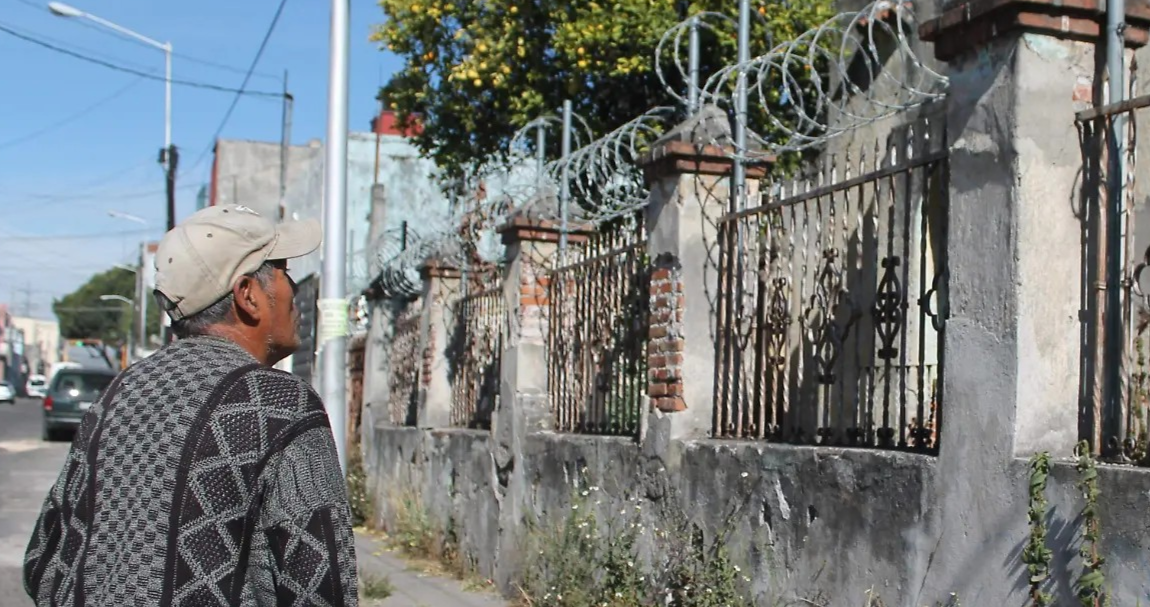

Abandoned lots, social housing and mansions in the Historic Center have become the properties most vulnerable to property seizure in Puebla, warned the Association for the Defense and Support of the Real Estate Sector (ADAGI). According to figures from the State Attorney General’s Office (FGE), 931 complaints of this crime were filed in the state between January and July 2026 —an increase of 1.4% compared with the same period of the previous year— making it the highest figure for a similar period since 2023.
Litigating attorney, professor and researcher Keren Elizabeth Reyes Castro stated that the problem is not only related to the illegal appropriation of a property, but also to legal processes that can take years before owners are able to recover their assets. Although legal proceedings can theoretically be resolved within periods ranging from one to four years, in practice some cases can extend for up to 10 years due to appeals, injunctions and other legal incidents that prolong litigation and increase the financial costs for victims.
Reyes Castro explained that the modus operandi can include the use of forged documents, procedures before the Public Property Registry, rulings or proceedings initiated from other states, and even individuals posing as public officials in order to execute supposed government orders. These schemes may involve private individuals, public officials, members of prosecutors’ offices and people connected to notaries.
The problem is already being addressed by state authorities. The government of Puebla has identified notary offices allegedly linked to the so-called “Property Seizure Cartel,” a network accused of illegally taking over homes and land through possible acts of corruption. As part of the institutional response, the Puebla Congress approved an amendment to the local Criminal Code to toughen penalties, establishing a minimum sentence of six years in prison and up to 20 years when the purpose is to subdivide or commercialize the seized land.

More Than 900 Cases Reported
According to data from the FGE, between January and July 2026, 931 complaints of property seizure were recorded in Puebla, compared with 918 during the same period in 2025, representing a 1.4% increase.
The figure represents the highest level for a January–July period since 2023. During the first seven months of 2024, 729 cases were recorded, while 751 were recorded in 2023. In 2022, there were 1,030 complaints, according to the same statistics.
The crime is also not concentrated exclusively in the state capital. The 931 cases recorded during the period were distributed across 146 municipalities, meaning that they occurred in slightly more than half of the 217 municipalities that make up the state.
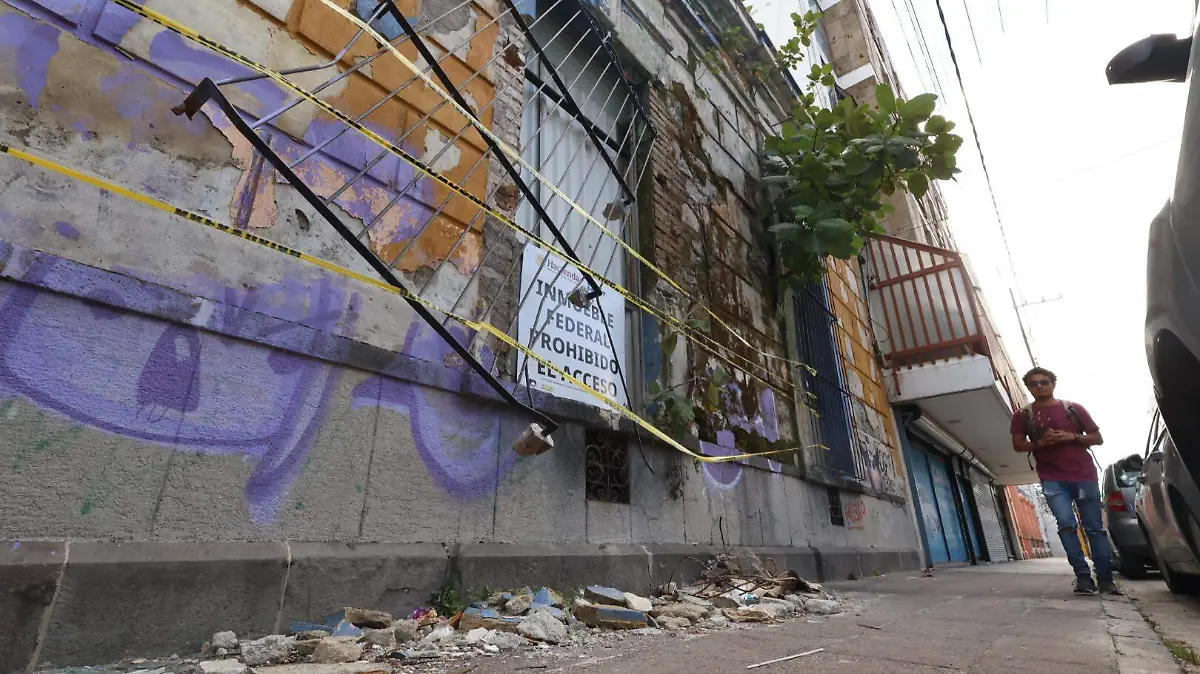
The city of Puebla alone recorded the highest number of cases, with 301, followed by Amozoc, with 46; Tehuacán, with 36; Atlixco, with 29; Huauchinango, with 24; San Andrés Cholula, with 22; Coronango and Cuautlancingo, with 17 each; San Pedro Cholula, with 16; and Tlacotepec de Benito Juárez, with 15.
Other municipalities with a significant number of complaints include Teziutlán, with 14 cases; Huehuetla, with 13; San Martín Texmelucan, with 12; Izúcar de Matamoros and Santiago Miahuatlán, with 11 each; as well as Acajete, Acatzingo and Chalchicomula de Sesma, with 10 cases each.
The remaining cases were distributed among municipalities such as Chietla, Xicotepec, Tepanco de López, Chignahuapan, Palmar de Bravo, Ahuazotepec, Tetela de Ocampo, Zacatlán, Ajalpan, Oriental, Pahuatlán, Tianguismanalco, San Salvador El Seco, Tlatlauquitepec, Ocoyucan, Los Reyes de Juárez and Tecamachalco, among others.
The crime also affected municipalities in different regions of the state, including Acatlán, Tepeyahualco, Chiautzingo, Libres, Juan C. Bonilla, Molcaxac, San Salvador El Verde, Tecali de Herrera, Quecholac, Coxcatlán, Cuautempan, Tochtepec, Cuyuaco, Hueytamalco, Ixtacamaxtitlán, Olintla, San Gabriel Chilac, Santa Isabel Cholula, Tehuitzingo, Tepeaca, Tepexco, Tlachichuca and Tepexi de Rodríguez, among others.
The Most Vulnerable Properties
ADAGI president Carolina León Soriano stated that, in the case of land, the greatest risk is concentrated in properties that remain abandoned or unmonitored. As urban areas expand, the value of certain locations also increases. As a result, plots of land that have remained unused for years can acquire greater value and become more attractive to people seeking to take them over.
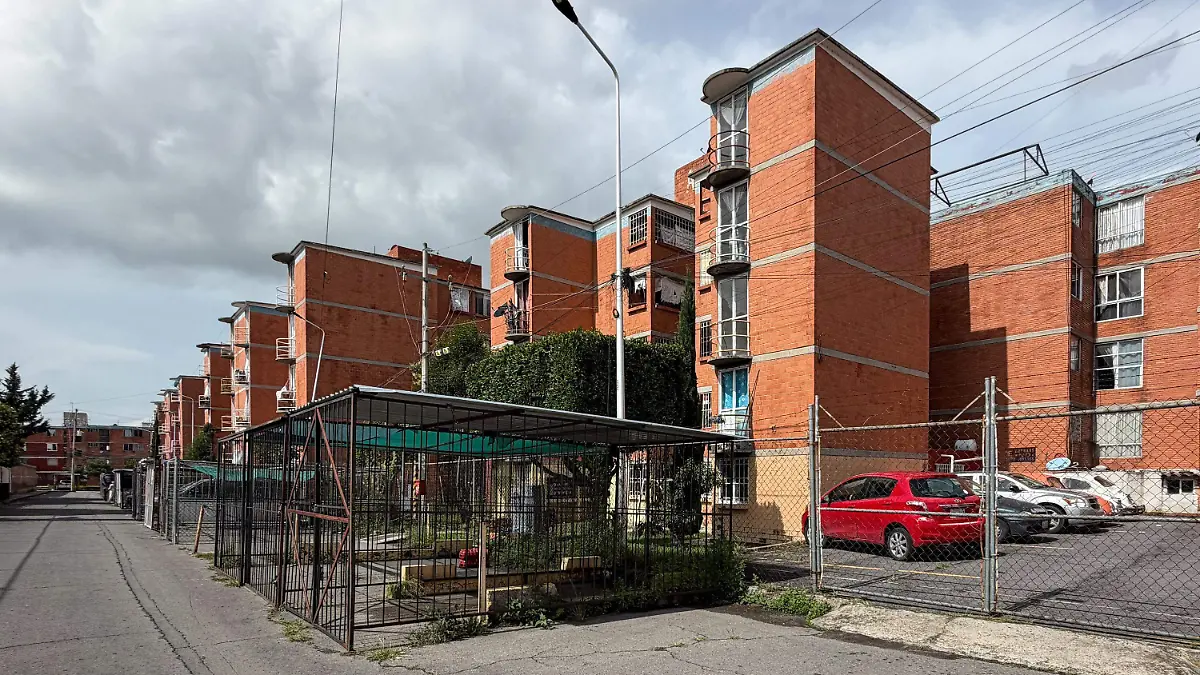
Regarding residential properties, she said that one of the main risk factors is abandonment. León Soriano explained that a significant number of homes, particularly social housing, remain unoccupied because their owners move to places far from their workplaces or stop using the properties, making it easier for third parties to attempt to occupy them.
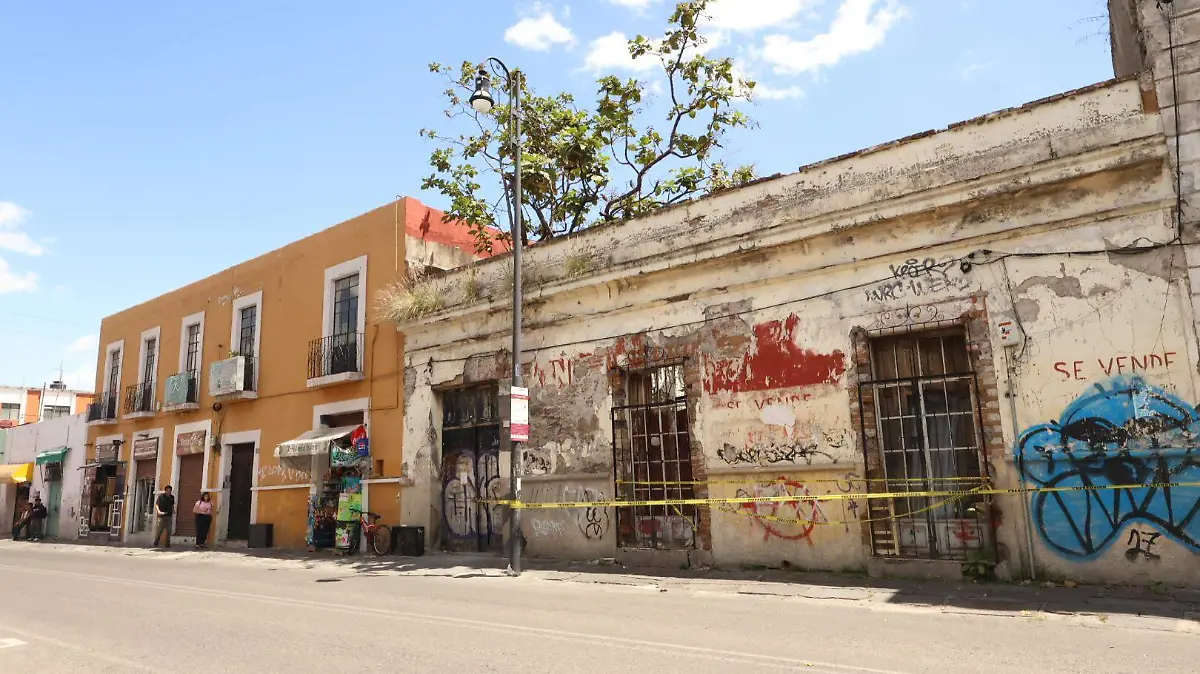
Mansions in the Historic Center are also vulnerable, particularly those involved in intestate estates or those without a clearly identified owner. According to the real estate representative, in some cases people begin occupying these properties, later carry out construction work, use the buildings to rent out commercial spaces, or simply maintain possession for long periods.
León Soriano considered that urban expansion and the increase in the value of certain properties may contribute to greater interest in taking over properties that remain unmonitored. Therefore, she recommended avoiding leaving properties abandoned and maintaining mechanisms that make it possible to detect any attempted occupation in a timely manner.
Up to 10 Years to Recover a Property
From a legal perspective, recovering a property that has been illegally taken over can become a lengthy process. Reyes Castro explained that legal proceedings may last approximately one to four years when considering procedural deadlines; however, in practice, some disputes can extend for up to 10 years.
In criminal proceedings, the process begins with the complaint and the corresponding investigation. It can then move into a judicial stage and trial. Although some proceedings can be completed within one or two years, others can last five or six years, depending on appeals and the circumstances of each case.
The impact on victims is not only financial in terms of property value. While attempting to recover a lot, house or any other property, they must cover lawyers’ fees, transportation, paperwork and other expenses, which can represent a considerable financial burden and increase the overall cost of the dispute.
Reyes Castro stated that one of the characteristics that makes these cases particularly complex is that they can involve different mechanisms intended to give an appearance of legality to the appropriation of a property. These include the use of forged documents, procedures before the Public Property Registry and the participation of people who take advantage of their positions or knowledge to facilitate the process.
She also explained that schemes have been identified in which an attempt is made to enforce a ruling or legal action from another state before authorities in Puebla, with the objective of executing a supposed order and transferring possession of the property to another person. In these cases, individuals may pose as authorities or public officials and use forged documents or engage in usurpation of public functions.
The specialist considered that, based on the way some of these cases develop, structures involving several people with different roles can be observed: from those who identify the property and obtain information to those who initiate proceedings, submit documents or attempt to carry out the occupation.
Authorities Are Already Addressing the Problem
Last January, state Cabinet coordinator José Luis García Parra reported that complaints related to these cases would be filed and stated that at least a dozen cases of property seizure allegedly linked to illegal activities had been identified, involving former public officials, Judicial Branch employees and individuals connected to notary offices.
As part of the institutional response, the Puebla Congress approved a reform promoted by Governor Alejandro Armenta Mier to strengthen penalties against those who commit this crime. The amendment to the local Criminal Code establishes a minimum sentence of six years in prison and includes aggravating circumstances for public officials and notaries found responsible.
Penalties can reach 20 years in prison when the purpose of the property seizure is to subdivide or commercialize the land obtained illegally. In addition, the masterminds or individuals who finance these actions may receive between seven and 15 years in prison, as well as fines ranging from 1,000 to 3,000 Measurement and Updating Units (UMA).
Source: oem