Governors such as Luis Miguel Barbosa and Sergio Salomón Céspedes tirelessly declared that there was no presence of Mexican cartels in the state of Puebla. The facts have refuted this.
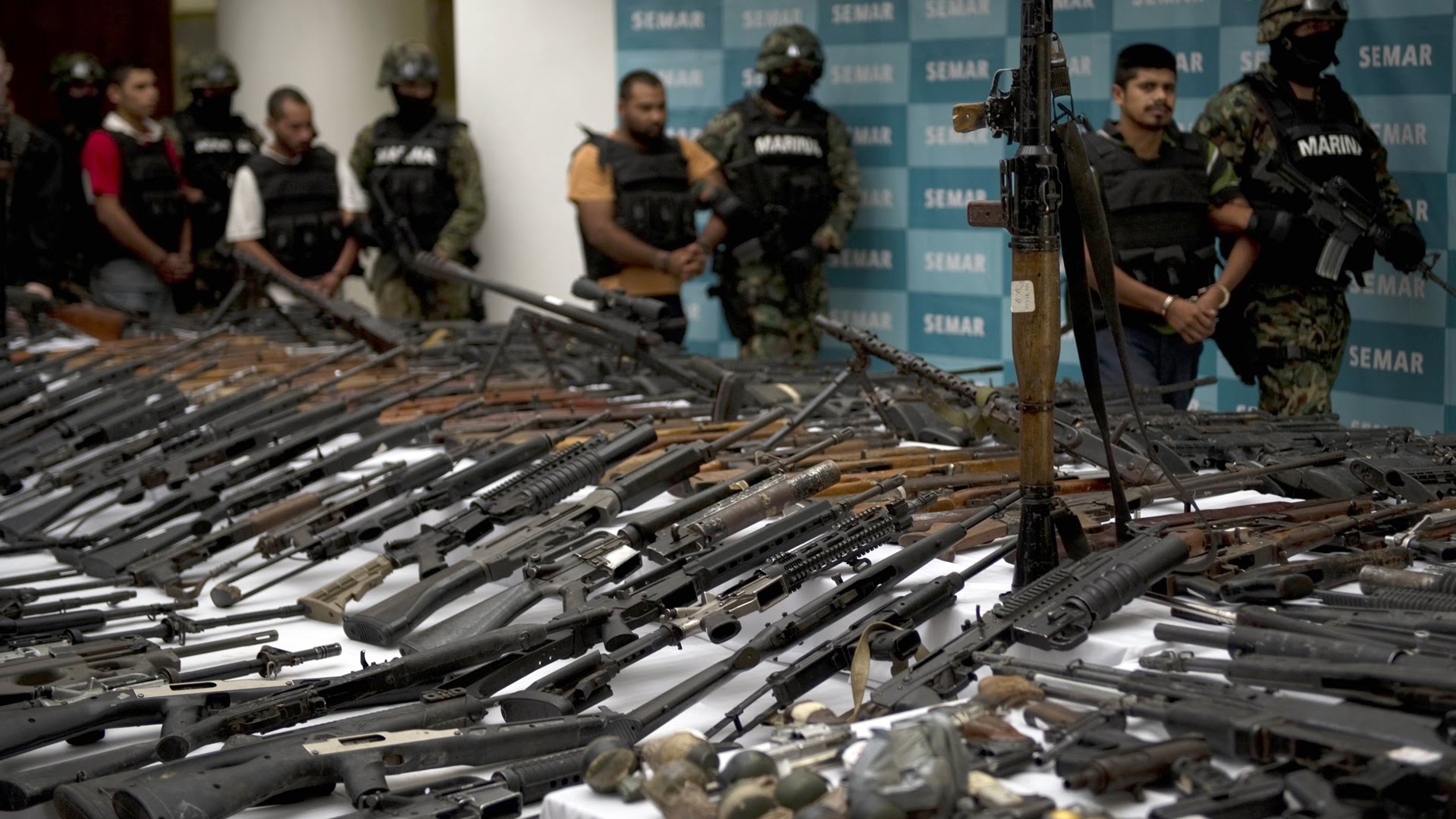
In the last seven months, the National Defense and Navy have identified 11 routes used for arms trafficking from the United States to different regions of the country.
Puebla is one of the states in this network.
Based on a semi-annual report, the Ministry of National Defense and the Attorney General’s Office have identified the routes used by arms trafficking networks. Most of the routes originate in Texas, from where 43 percent of all arms entering Mexico originate.

The state of Puebla connects with the states of Hidalgo and Oaxaca through the Arco Norte and the highway section in the Cuacnopalan area.
The report indicates that arms shipments travel through several states in Mexico, destined for locations where criminal groups operate.
These are the routes detected:
San Diego, California-Tijuana-Culiacán-Tepic-Manzanillo-Acapulco; Yuma, Arizona-San Luis Río Colorado; Phoenix, Arizona-Sonoyta-Hermosillo-Ciudad Cuauhtémoc-Durango-Guadalajara; Nogales, Arizona-Hermosillo-Guaymas-Ciudad Obregón-Navojoa-Los Mochis; Tucson, Arizona-Agua Prieta-Moctezuma-Hermosillo; and El Paso, Texas-Ciudad Juárez-Chihuahua-Torreón-Zacatecas-Guanajuato-Mexico City. Also:
Laredo, Texas-Nuevo Laredo-Monterrey-San Luis Potosí-Guanajuato-Querétaro; Miguel Alemán, Tamaulipas-Cadereyta, Nuevo León; Camargo, Tamaulipas-Doctor Coss-Guadalupe-General Terán, Nuevo León; Reynosa-Ciudad Victoria-Ciudad Valles-Pachuca-Puebla-Oaxaca; and Brownsville, Texas-Matamoros-Tampico-Tuxpan-Veracruz-Coatzacoalcos-Tuxtla Gutiérrez, Chiapas.
As part of the efforts to stem the flow of weapons, the Mexican Army has installed 55 military checkpoints along three strategic corridors: the northern border; the Mexican Transversal Line; and the Pacific-Gulf-Isthmus of Tehuantepec Corridor. These regions concentrate the flow of illegal goods and are therefore priorities for the deployment of permanent operations.
More than 31,000 members of the Armed Forces, the National Guard, the Navy, the National Migration Institute, and state-owned corporations are involved in containment and surveillance tasks. Eleven thousand troops are specifically assigned to control migration routes, almost all of which are linked to arms and drug trafficking.
At the beginning of the year, the U.S. State Department published a report prepared by the Bureau of Alcohol, Tobacco, Firearms and Explosives, acknowledging that country’s role in the illegal flow of weapons into Mexico.
According to the report, these weapons are legally acquired in the United States and subsequently smuggled into Mexico, where they end up in the hands of criminal organizations.
This is the scale of the problem and the underlying crimes committed by Mexican cartels. Puebla, due to its geographic location, is no stranger to human trafficking and, therefore, to the presence of criminals involved in the illegal sale of weapons and drugs, and, recently, we learned, also in bribery.
Security is the fundamental issue on the country’s social and political agenda, and all government efforts must soon bear fruit, otherwise the United States will carry out its threats and its armed forces will be able to operate in Mexico, something all Mexicans oppose.
Source: municipiospuebla