
If there is an automotive brand with deep roots in Mexico, it is undoubtedly Volkswagen, as since its arrival in the country it has established itself as one of consumers’ favorites thanks to the variety and quality of its products.
From the famous “Vocho,” through the Combi, to current models such as the Tiguan and Jetta, the German company has also written its own history in the country thanks to its plant located in Cuautlancingo, Puebla.
Recently, the automaker reached an agreement with its workers’ union, avoiding a strike thanks to a wage increase, as well as improvements to certain benefits for employees at this facility.
The Arrival of Volkswagen in Mexico
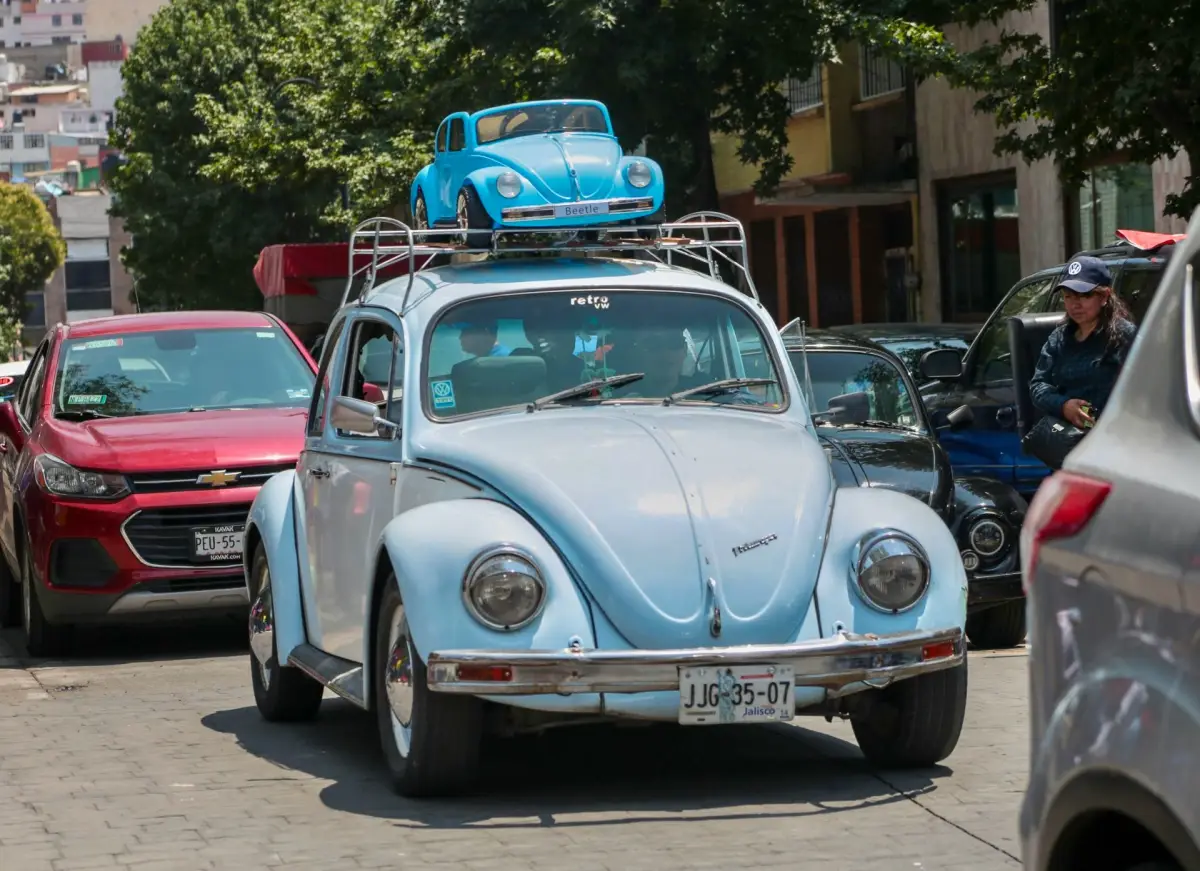
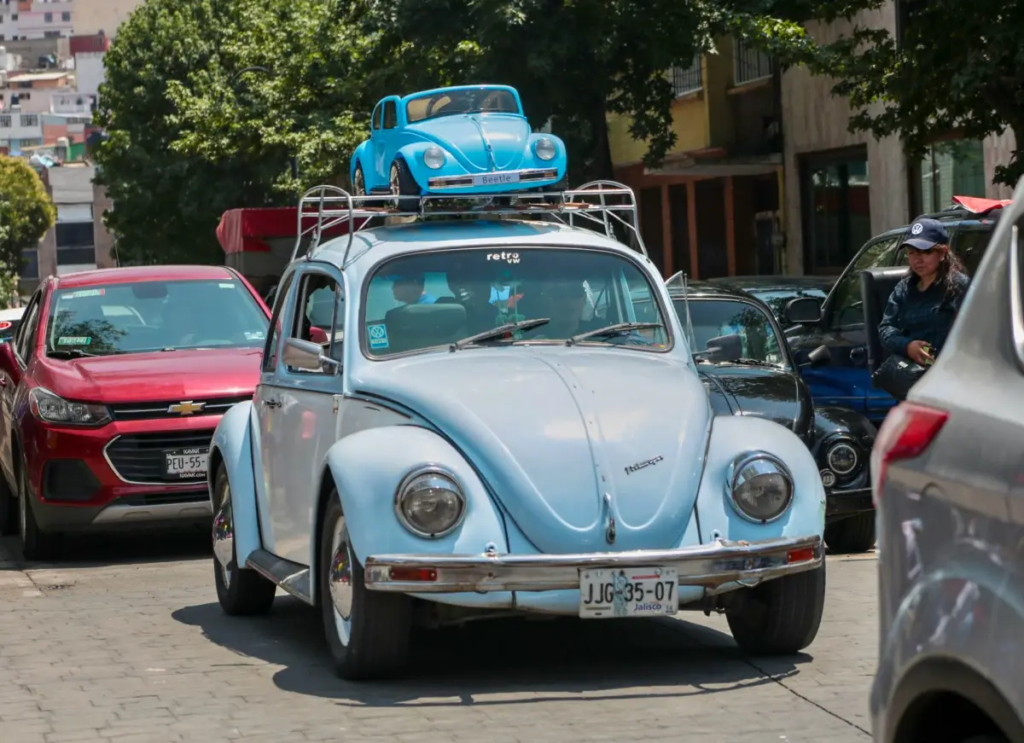
The automaker arrived in Mexico more than 70 years ago, when the famous Sedan, better known as the “Vocho,” began being sold in the country in 1954, earning a place in the hearts of Mexican families.

By 1955, it had established its first official dealership in the country, Distribuidora Volkswagen Central, and in 1964 the company took another step by formally establishing Volkswagen de México.
Just three years later, the German company took a major step forward, as the factory located in Cuautlancingo, Puebla, began operations in October 1967.
With the opening of the plant, the relationship between Mexico and the Vocho became even closer, as it was one of the first models produced at this facility. In 1970, production began on another model that won the affection of Mexicans: the Combi. Shortly afterward, another vehicle was added to the country’s production lineup: the Safari, considered by many to be a cousin of the iconic Vocho.
The relationship between the Vocho and Mexico took another step forward when the 200,000th Sedan was produced worldwide in 1971. That same year, the then Department of the Federal District selected this model as the capital’s “minitaxi,” incorporating it into the public transportation system of a rapidly growing Mexico City.
The 1970s are also remembered because production began on two other models that became symbols of mobility in Mexico: the Brasilia, in 1974, and the Caribe, in 1977.
Although the brand already had more models being produced and distributed in Mexico, there was one that had undoubtedly won the hearts of Mexicans, and that was the Vocho, which reached another milestone in September 1980 when the one-millionth unit of the vehicle was produced in Puebla.
Just one year later, Volkswagen began production of another model that has also established itself as one of Mexicans’ favorites: the Atlantic, a vehicle known as the first generation of what we now know as the Jetta.
The Puebla plant has also manufactured other models such as the Corsar, Golf and Golf Convertible, Derby, and even the vehicle considered the successor to the legendary Vocho: the New Beetle.
In 2003, the Puebla plant wrote the final chapter of a legend: in July of that year, Mexican workers were responsible for manufacturing the last Sedan unit, better known as the Vocho, bringing to an end a history that began in 1946 and concluded with a total of 21,529,464 units assembled worldwide.
Source: expansion